
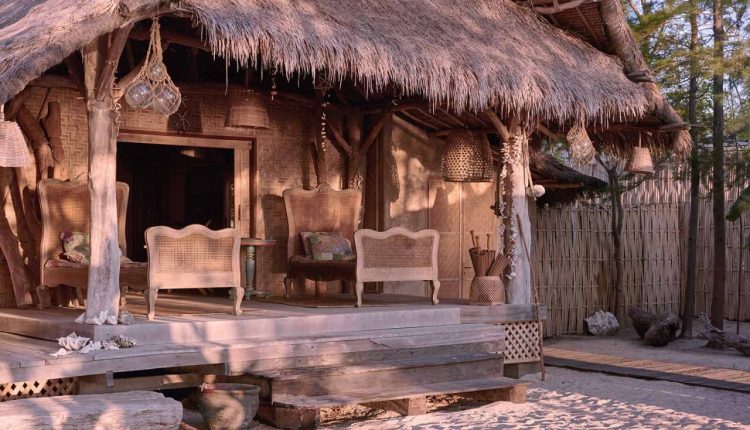
Escape the Ordinary: Discovering the Soul of Bali Through Tropical Architecture
You’ve arrived in Bali. The air is warm, fragrant with frangipani and incense, and the sound of waves or quiet rice paddies is just beyond the horizon. You’re already here, enjoying the island’s captivating spirit, but perhaps you’re looking for something more than just a place to sleep. You seek a genuine, transformative experience—a luxury Bali stay that doesn’t just offer comfort but wraps you in the island’s very soul.
Welcome to the world of Tropical Architecture, the defining design philosophy of Indonesia’s Island of the Gods. This isn’t just a style; it’s a living, breathing blueprint for harmony. It is the secret ingredient that turns a simple vacation rental into a profound sanctuary, a world apart from everyday life. For the discerning tourist currently in Bali, searching for that exceptional location that merges simple luxury with cultural depth, understanding this architectural tradition is the first step toward securing the holiday of a lifetime.
At The Island Houses, we don’t just offer villas; we offer meticulously crafted environments that stand as masterpieces of modern Balinese Tropical Architecture. Every open-air pavilion, every stone-clad wall, every alang-alang thatched roof is a deliberate step toward realizing the ultimate piece of paradise. This extensive guide will immerse you in the principles of this design tradition, demonstrating how it is engineered for serenity, comfort, and an unforgettable vacation. By the time you reach our conclusion, you will not only be convinced of the perfect choice for your current Bali vacation but you will understand the cultural and environmental wisdom that makes it so uniquely magical.
The Roots of Tropical Architecture in Bali: A Philosophy of Harmony
To truly appreciate Balinese Tropical Architecture, one must first understand its foundational philosophy. It is not merely aesthetic; it is deeply spiritual, rooted in the ancient Hindu concept of Tri Hita Karana. This principle mandates a balance and harmony between three elements: Parhyangan (harmony with God), Pawongan (harmony with people), and Palemahan (harmony with nature/the environment).
In architecture, this translates into a meticulously planned living space that ensures physical, spiritual, and social well-being. This is why traditional Balinese villages and homes, and consequently, modern luxury Bali villas, are not built as single monolithic structures but as compounds of separate, specialized pavilions. The design focuses on orientation (the sacred axis between the mountain (Kaja) and the sea (Kelod)) and spatial zoning (Tri Mandala), ensuring every structure is in its correct, harmonious place.
Translating Ancient Wisdom into Simple Luxury
The principles of Tri Hita Karana are what elevate Balinese Tropical Architecture to the level of simple luxury. The harmony with nature, for instance, translates into maximizing the island’s resources while minimizing its challenges. This is the essence of bioclimatic design—a form of climate-responsive architecture.
The goal is to create a constant state of thermal comfort without relying heavily on artificial cooling. For a tourist looking to escape the heat and humidity, this design is the ultimate natural air conditioning.
- Open-Air Pavilions and the “Bale” Concept: The signature element is the bale, a free-standing pavilion with a steeply pitched roof. Modern Tropical Architecture adopts this concept, using open-plan layouts that blur the boundaries between indoors and outdoors. Your living room doesn’t just look at the garden; it is the garden. This indoor-outdoor living is essential for channeling constant airflow, allowing hot air to escape naturally.
- The Steep, Protecting Roof: The high-pitched roofs—often covered in natural alang-alang thatch—are brilliant solutions to the tropical climate. They do two things simultaneously:
- Shade and Insulation: The overhangs cast deep shadows, protecting walls and interiors from direct solar radiation. The thatch itself is a superb natural insulator, keeping the space cool during the day.
- Rain Runoff: Bali’s monsoon downpours are intense. The steep pitch ensures immediate, efficient rainwater runoff, preserving the structure and creating a soothing, rhythmic sound when you are safely tucked away inside.
When you stay in a villa that embraces this philosophy, you are not just booking a room; you are engaging in a cultural practice designed for tranquility. The Island Houses are curated retreats where this ancient wisdom is seamlessly integrated with contemporary comfort, offering you a truly unique Bali villa experience.
The Bioclimatic Masterpiece: Engineering Comfort in the Tropics
The enduring success of Balinese Tropical Architecture lies in its genius for passive climate control. For a visitor to Bali, this translates directly into a more comfortable, restful, and authentic stay. These villas aren’t just beautiful; they are high-performing shelters designed to work with, not against, the environment. The focus on bioclimatic design makes these homes sustainable and supremely luxurious.
Maximizing Natural Ventilation and Thermal Comfort
Tropical Architecture prioritizes airflow above all else. In a country defined by humidity, natural ventilation is the key to creating a constantly cool and fresh interior climate.
The Role of Height and Openings
- Double-Height Ceilings: These are a hallmark of luxury Bali villas. A high ceiling creates a larger volume of space, allowing hot air to rise, which is then naturally expelled through strategic upper openings (transom windows or roof gaps). This stack effect (or chimney effect) is a core principle of climate-responsive design, drawing cooler air in from lower, shaded areas.
- Minimal Walls, Maximum Doors: Instead of solid walls, the design utilizes wide openings, sliding glass doors, and louvered screens. When opened, these features effectively dissolve the indoor-outdoor barrier, facilitating cross-breeze ventilation. This indoor-outdoor living style is perfect for the Bali tourist, allowing you to sip your morning coffee while feeling the breeze and listening to the sounds of your private garden. It’s a sensory, holistic experience.
Shading as a Design Element
Effective shading is crucial. Beyond the expansive, steeply sloped roofs already mentioned, Balinese Tropical Architecture employs other ingenious shading techniques:
- Deep Eaves and Terraces: Large, cantilevered eaves extend far beyond the walls to prevent the sun from hitting the interior spaces, particularly during the harsh midday hours. Covered terraces (verandahs or bale) become additional shaded outdoor living spaces—perfect for lounging or enjoying an al fresco meal in your piece of paradise.
- The Tropical Landscape: The dense, lush garden is not just decorative; it is part of the climate control system. Large trees and dense foliage planted close to the structure provide shade and, through evapotranspiration, cool the surrounding air. The cool, moist air from the garden is then drawn into the villa by the natural ventilation system. This seamless integration with nature ensures your environment is continually refreshed.
The Simple Luxury of Natural Materials: Authenticity and Elegance
One of the most appealing aspects of Tropical Architecture is its commitment to authentic, locally sourced materials. In the hands of skilled Balinese artisans, these raw elements are transformed into expressions of simple luxury—understated, elegant, and perfectly integrated with their natural surroundings. This use of local materials speaks directly to the tourist seeking an experience that is authentic and sustainable.
A Palette of Earth, Stone, and Wood
The beauty of a luxury Bali villa is often determined by its tactile qualities. The materials used are chosen for their cooling properties, durability in the humid climate, and deep aesthetic connection to the island.
The Grounding Force of Volcanic Stone
Bali sits on a volcanic arc, blessing the island with an abundance of natural stone. Dark, grey-green volcanic stone (batu paras or lava stone) is frequently used for walls, floors, and pool decks.
- Cooling Mass: Stone acts as a thermal mass, absorbing heat slowly during the day and providing a cool surface underfoot.
- Textural Contrast: Against the warmth of teak wood and the lightness of plaster, the rough texture of the stone creates a sophisticated, grounded aesthetic. When used for an exterior wall or a cascading water feature, it creates a visual boundary that is both dramatic and naturally cooling.
The Warmth and Prestige of Teak Wood
Teak remains the gold standard in premium Indonesian architecture. Revered for its resistance to pests and moisture, it is the primary material for structure, flooring, and furniture in high-end Tropical Architecture designs.
- Architectural Detail: Intricately carved doors, screens, and window frames pay homage to the island’s artisanal heritage.
- Interior Ambiance: Teak floors and high wooden ceilings lend a timeless warmth and a sense of enduring quality to the interior spaces, embodying the promise of a peaceful, simple luxury retreat.
The Iconic Alang-Alang Thatch
As mentioned, the roof is one of the most distinctive features. Alang-alang (a native grass) is painstakingly layered to create a thick, highly effective, and visually stunning thatched roof.
- Natural Aesthetics: It immediately signals an authentic, deep connection to Balinese tradition and the island’s natural bounty.
- Soundproofing: The thick thatch offers fantastic acoustic insulation, muffling the sounds of heavy rain and external noise, ensuring your sanctuary remains a serene oasis.
When you step into a property from The Island Houses, you feel the coolness of the stone, the smoothness of the teak, and the warmth of the sun filtering through the thatched roof—it is a full-sensory experience designed to ground you in this exceptional location.
The Island Houses: Where Tropical Architecture Becomes Your Bali Vacation
The true test of magnificent Tropical Architecture is how it makes the user feel. For the tourist in Bali, tired of the hustle and bustle, the goal is clear: to find a haven that offers simple luxury, complete privacy, and an authentic connection to the island’s magic. This is precisely the experience that The Island Houses were founded upon. We don’t just mimic the style; we perfect the experience.
Exceptional Locations, Designed for Ultimate Escape
A beautiful villa means little without the right setting. Our commitment to providing a true piece of paradise is reflected in our choice of exceptional locations. Whether nestled in the quiet rice fields of Canggu, overlooking the dramatic cliffs of Uluwatu, or set within the lush, spiritual heart of Ubud, our properties are integrated into their surroundings through the principles of Balinese Tropical Architecture.
- Privacy and Seclusion: High walls of volcanic stone and dense, strategic landscaping—all essential elements of traditional Balinese compound design—ensure that your villa is your private sanctuary. You can enjoy your private plunge pool or open-air living room in absolute tranquility, a world away from the crowds.
- Views and Vistas: The design is engineered to frame the quintessential Balinese landscape. Openings, viewing platforms, and even the layout of the infinity pools are oriented to maximize views of the ocean, the jungle canopy, or the iconic terraced rice paddies. The architecture serves as a lens through which you can truly see and feel Bali.
The Unforgettable Architectural Moments
It is in the details that The Island Houses deliver on the promise of simple luxury. These are the elements of Tropical Architecture that guests remember long after they leave:
- The Outdoor Bathroom: The quintessential Balinese experience. Designed with privacy in mind, these open-air, stone-clad bathrooms allow you to shower under the stars or a bamboo canopy, a luxurious and liberating connection with nature.
- The Private Bale: Every villa features an idyllic bale—a thatched pavilion often situated poolside or overlooking the garden. This space is designed for pure relaxation—a reading nook, a meditation space, or a spot for a traditional Balinese massage. It is a moment of pure, climate-responsive design in its simplest form.
- Curated Interiors: The interior design maintains the principles of simplicity and natural elegance. Furnishings are often custom-made from reclaimed teak, complemented by local textiles and artwork that honor Balinese craftsmanship. This focus on natural, hand-crafted elements ensures the spaces feel warm, authentic, and genuinely luxurious, avoiding the sterile feeling of generic modernity.
Your Next Step: Inhabit a Piece of Paradise
As you explore Bali, whether you are in Seminyak, Canggu, or Ubud, you are surrounded by the legacy of Tropical Architecture. However, to simply observe it is one thing; to live in it is a completely different experience—it is the difference between reading a travel guide and starring in your own adventure.
The Island Houses offers more than a booking; we offer an invitation to inhabit the principles of Balinese harmony and bioclimatic design. Our villas are constantly refreshed by the island air, cooled by the shade of their magnificent roofs, and grounded by the natural materials from which they are built. This is your chance to step away from the everyday and into a serene oasis—a retreat that respects the environment while indulging your every need for comfort and refinement.
A luxury Bali stay at a property rooted in high-quality Tropical Architecture is a deeply restorative and culturally enriching choice. It is the most authentic way to experience the real Island of the Gods. Your perfect Bali vacation awaits, architected for your absolute relaxation.
We invite you to view our portfolio of unique Bali villas—each an individual masterpiece of climate-responsive design and simple luxury—and find your next home in this exceptional location. Book your stay today and start living the harmony that is Balinese Tropical Architecture.
